
Tenaya Cabins
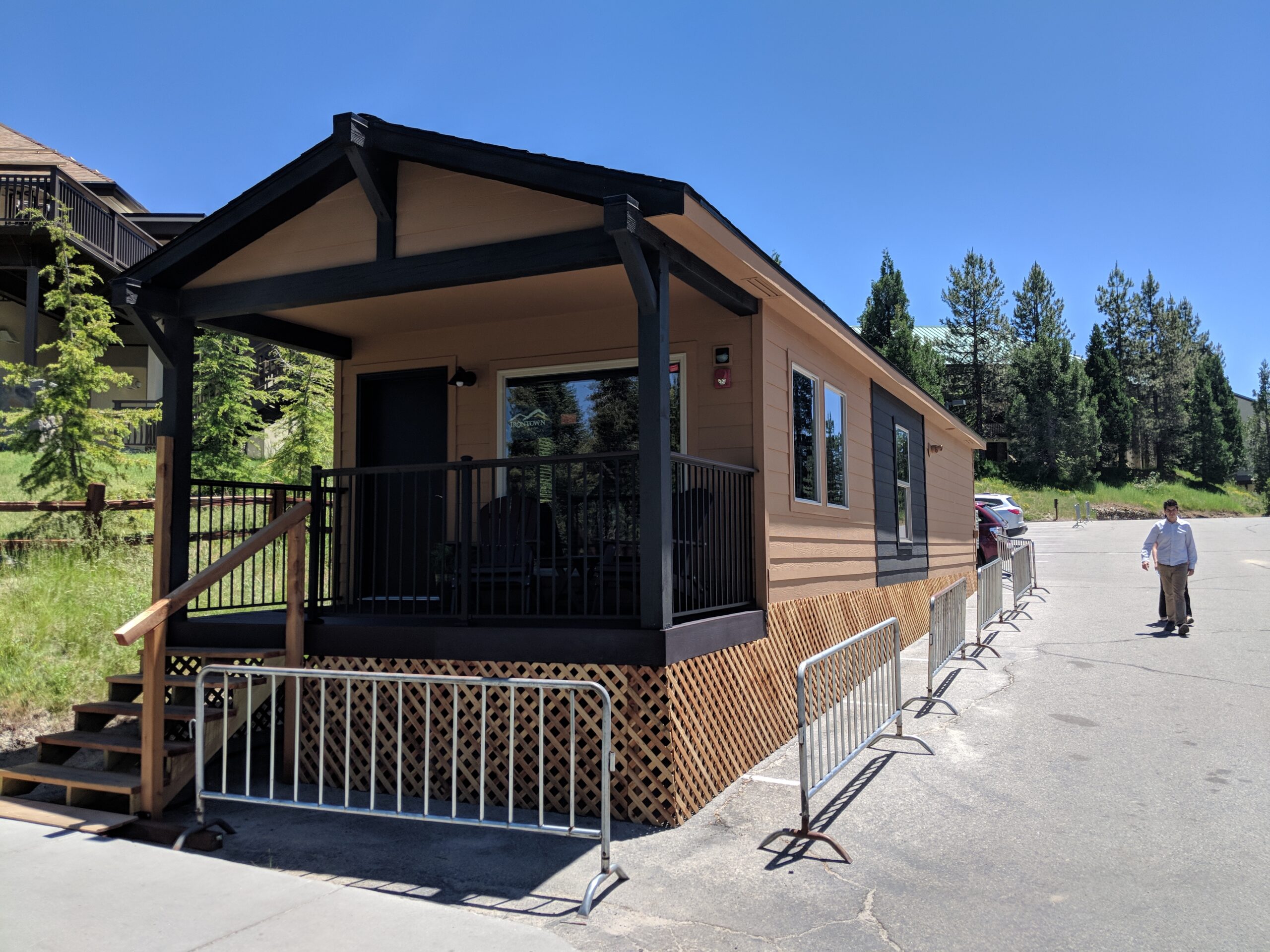


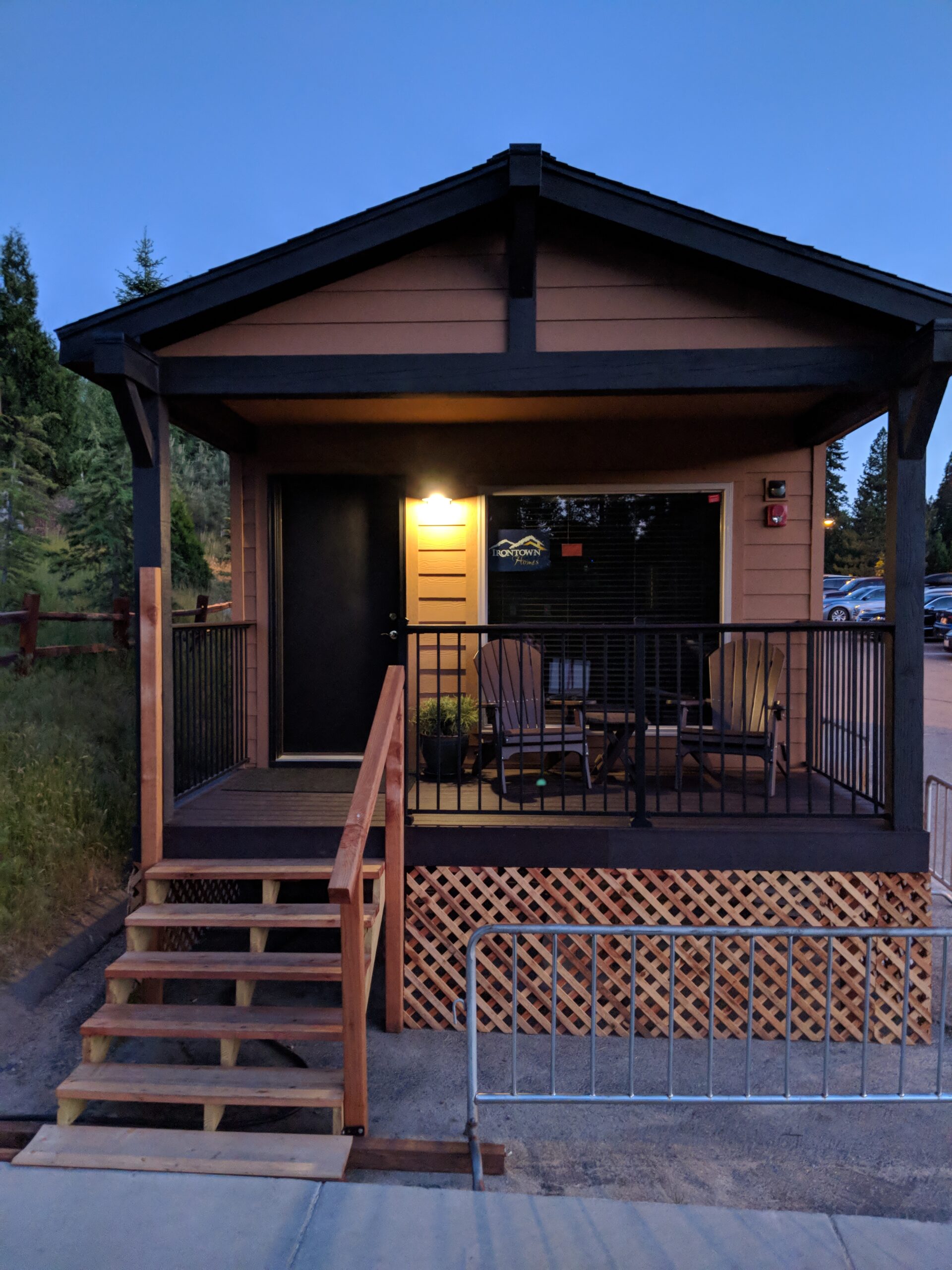
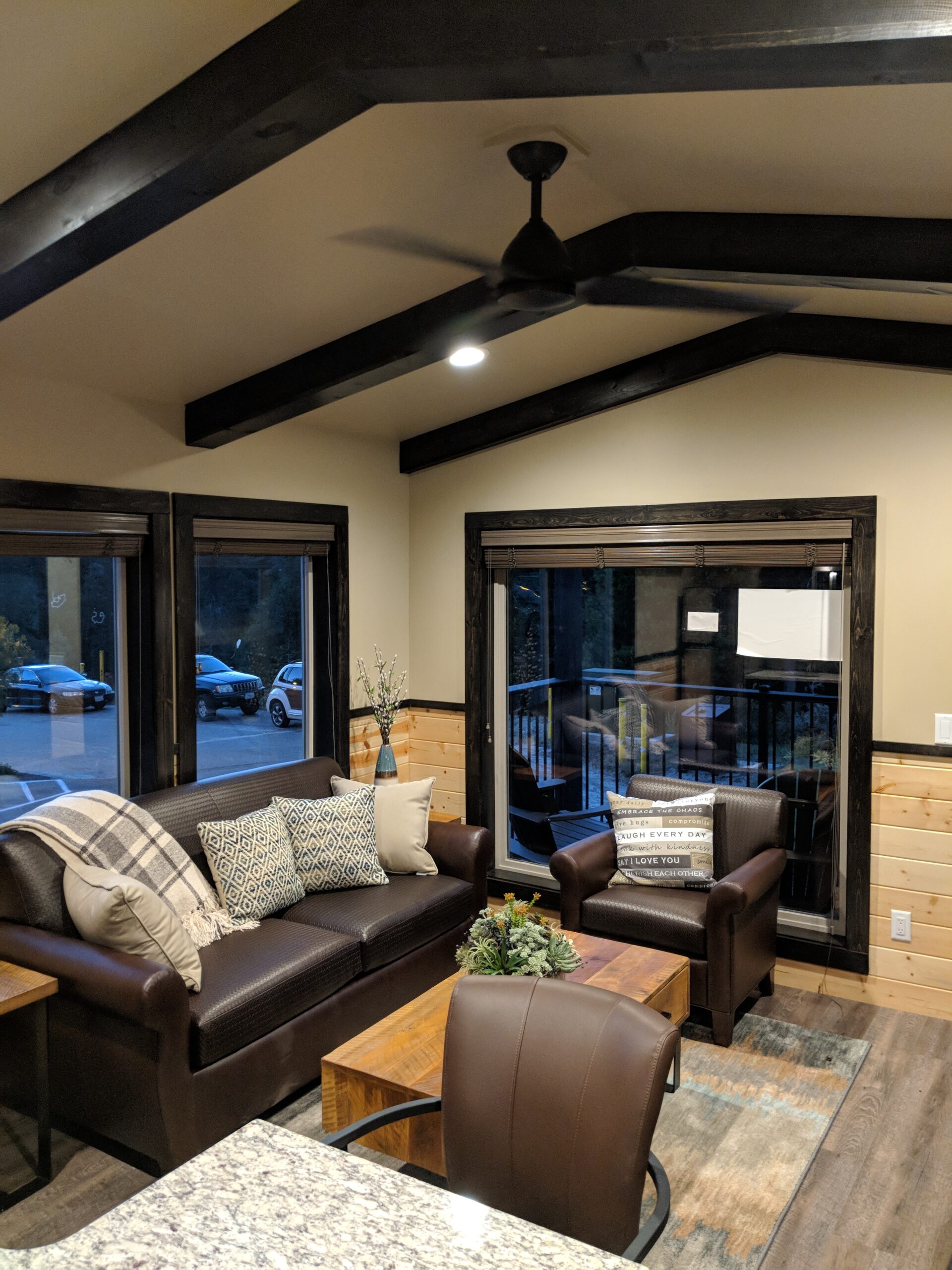


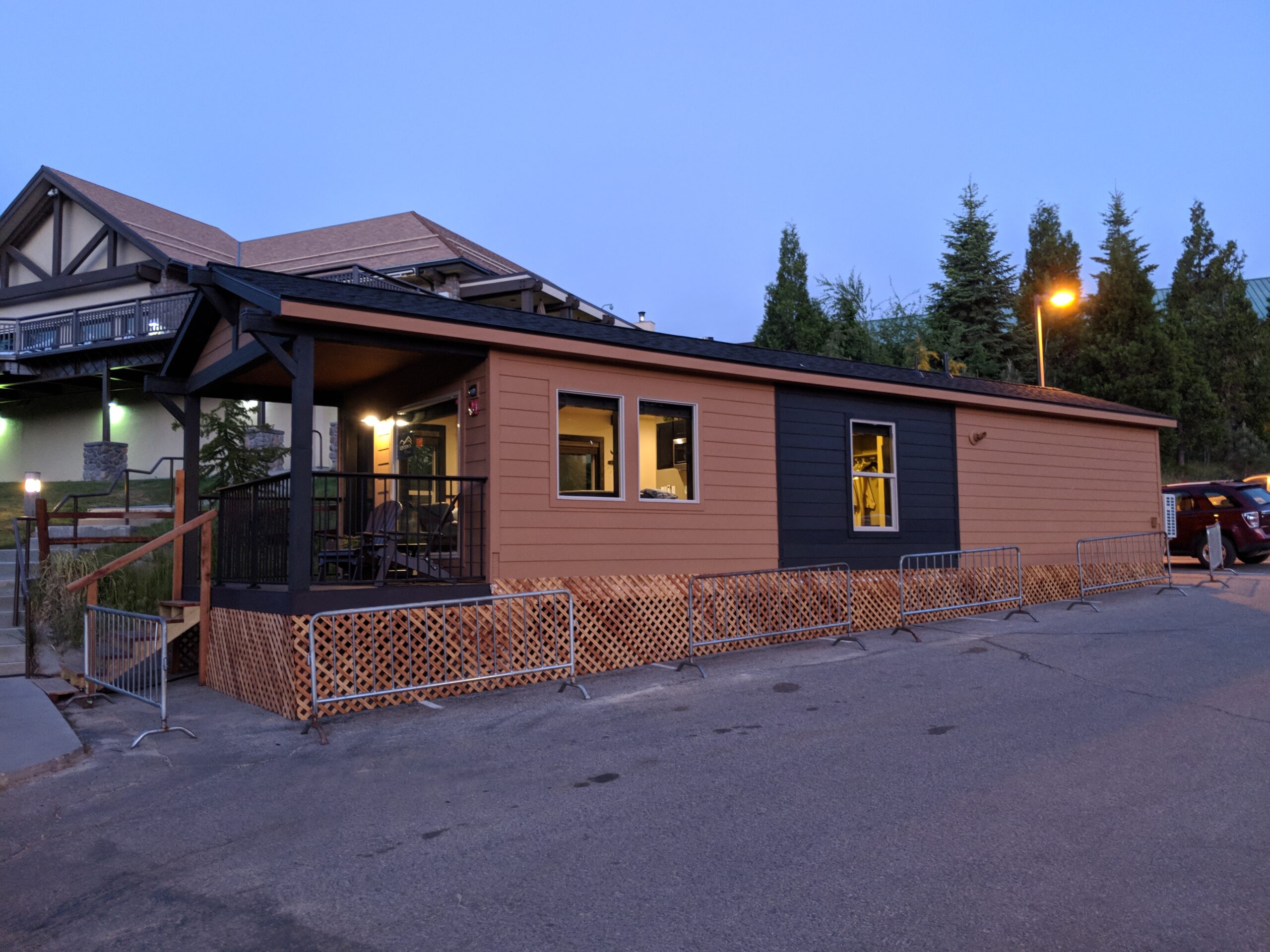


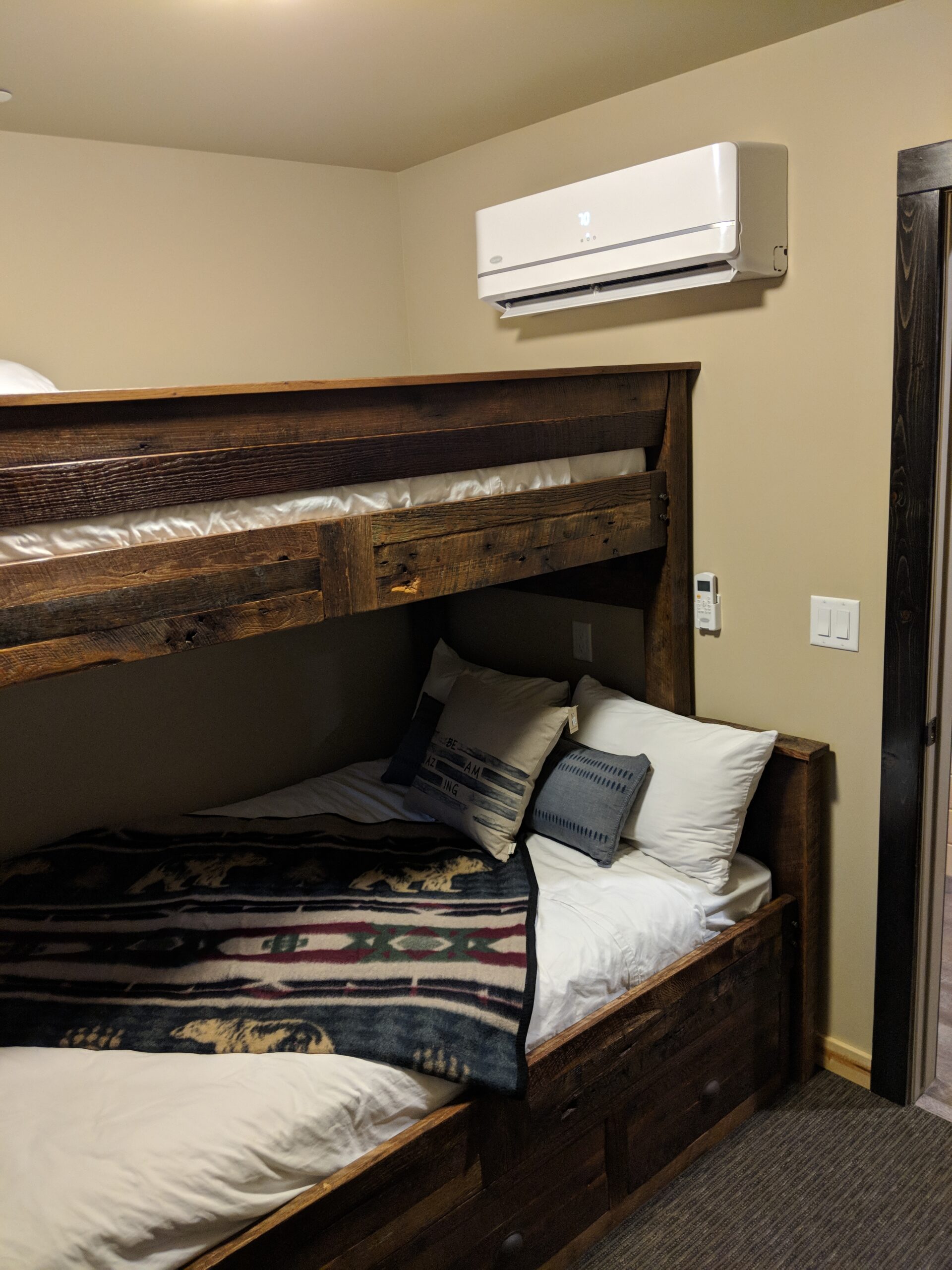
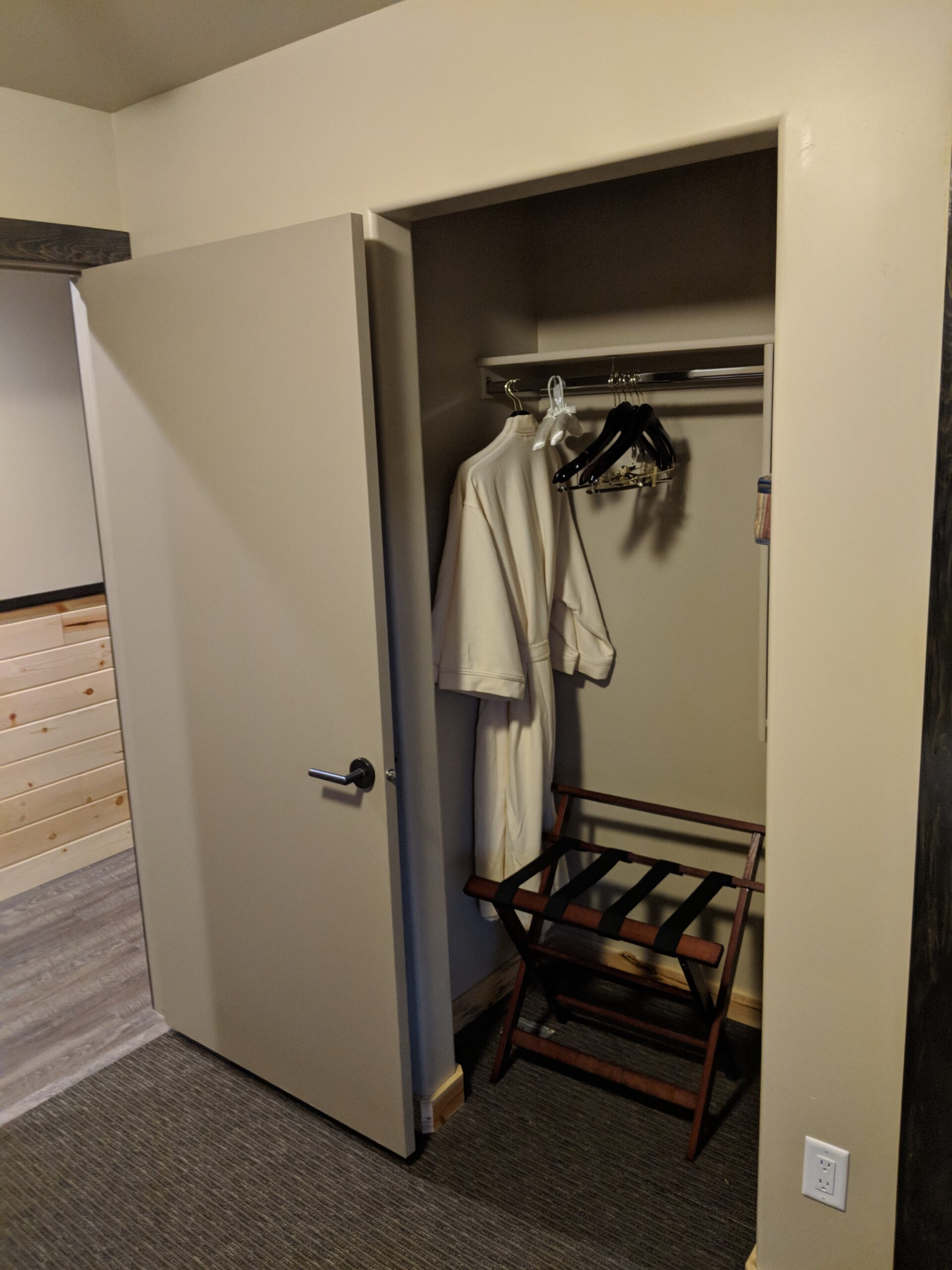
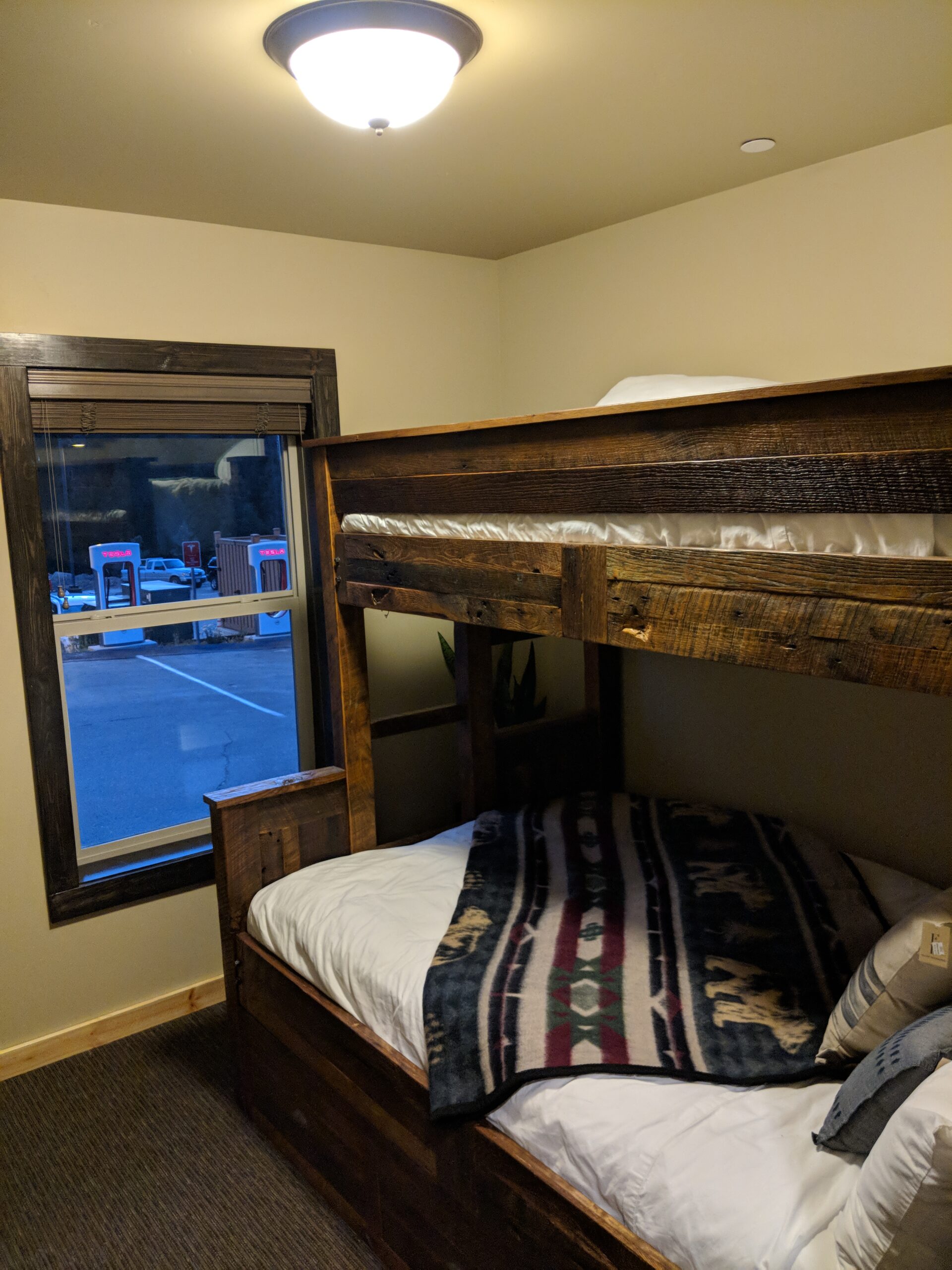
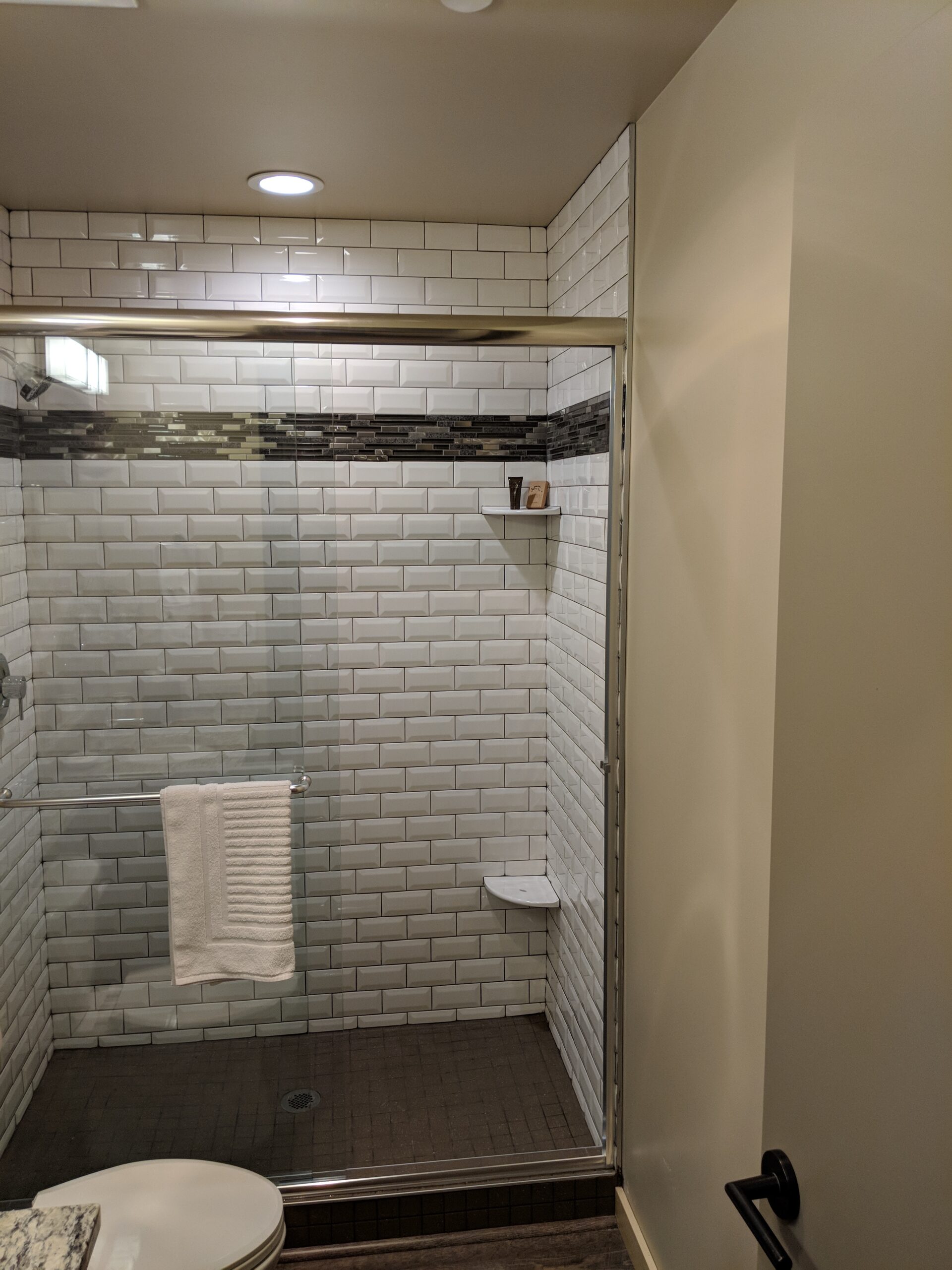
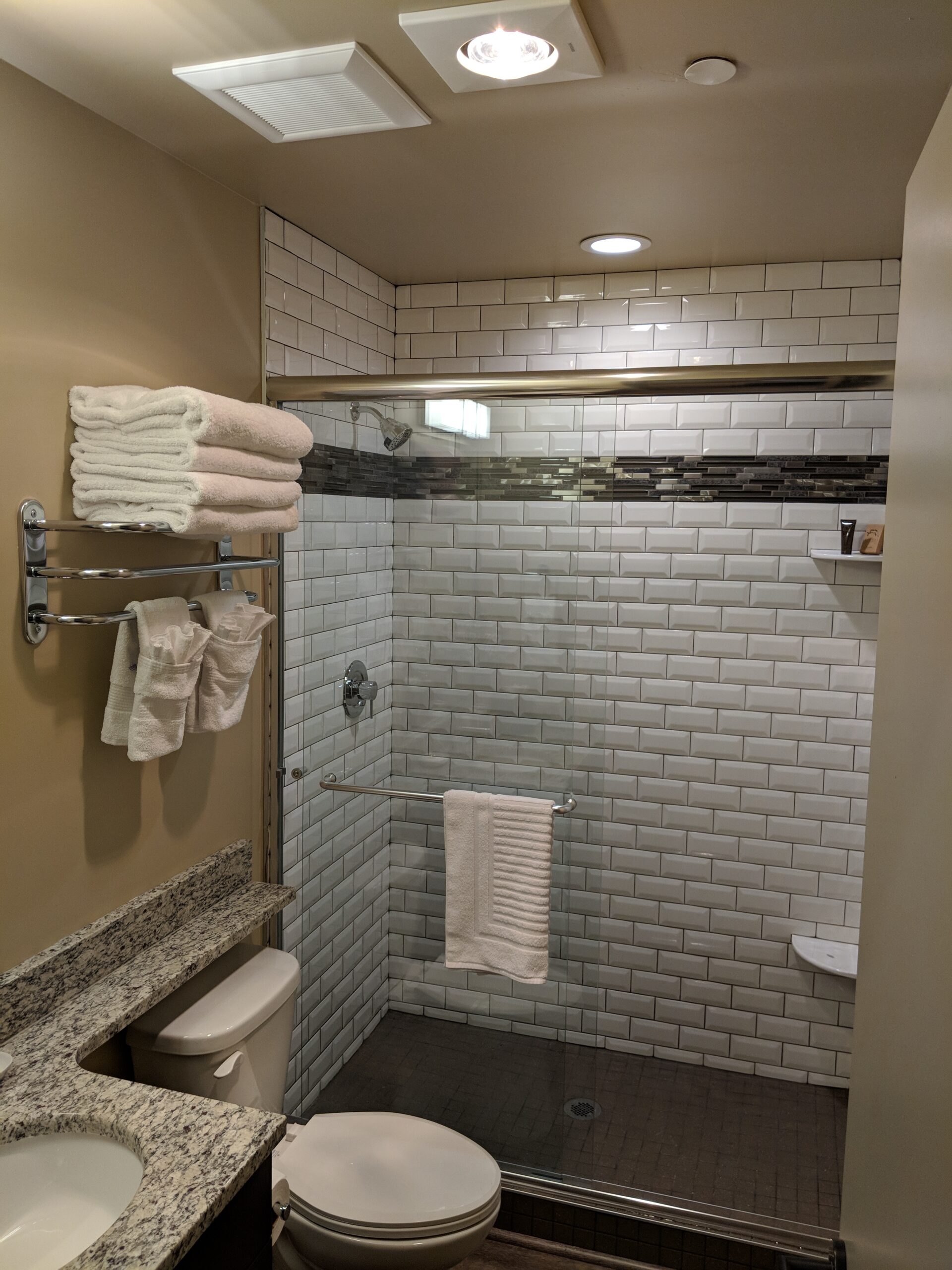
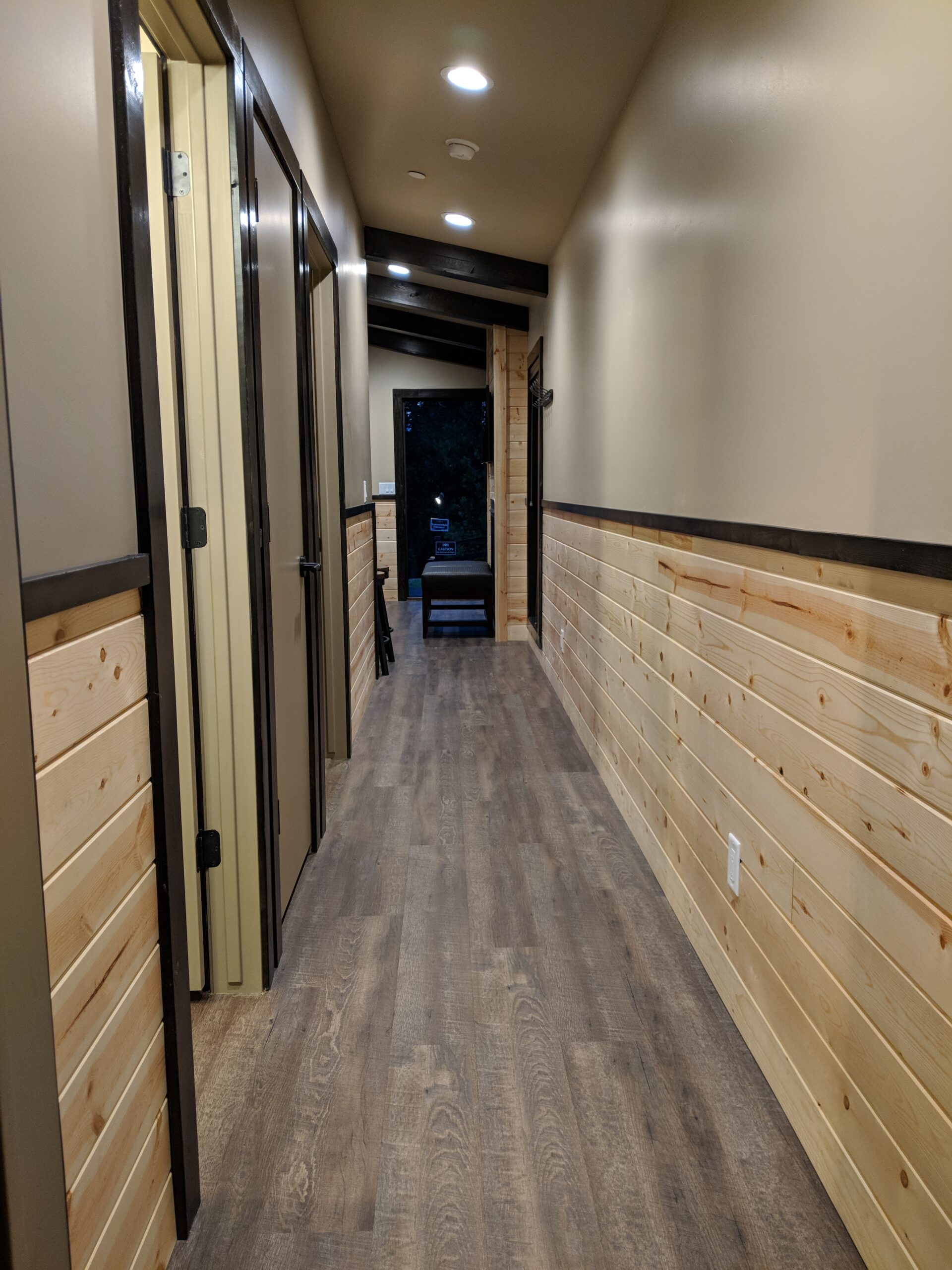
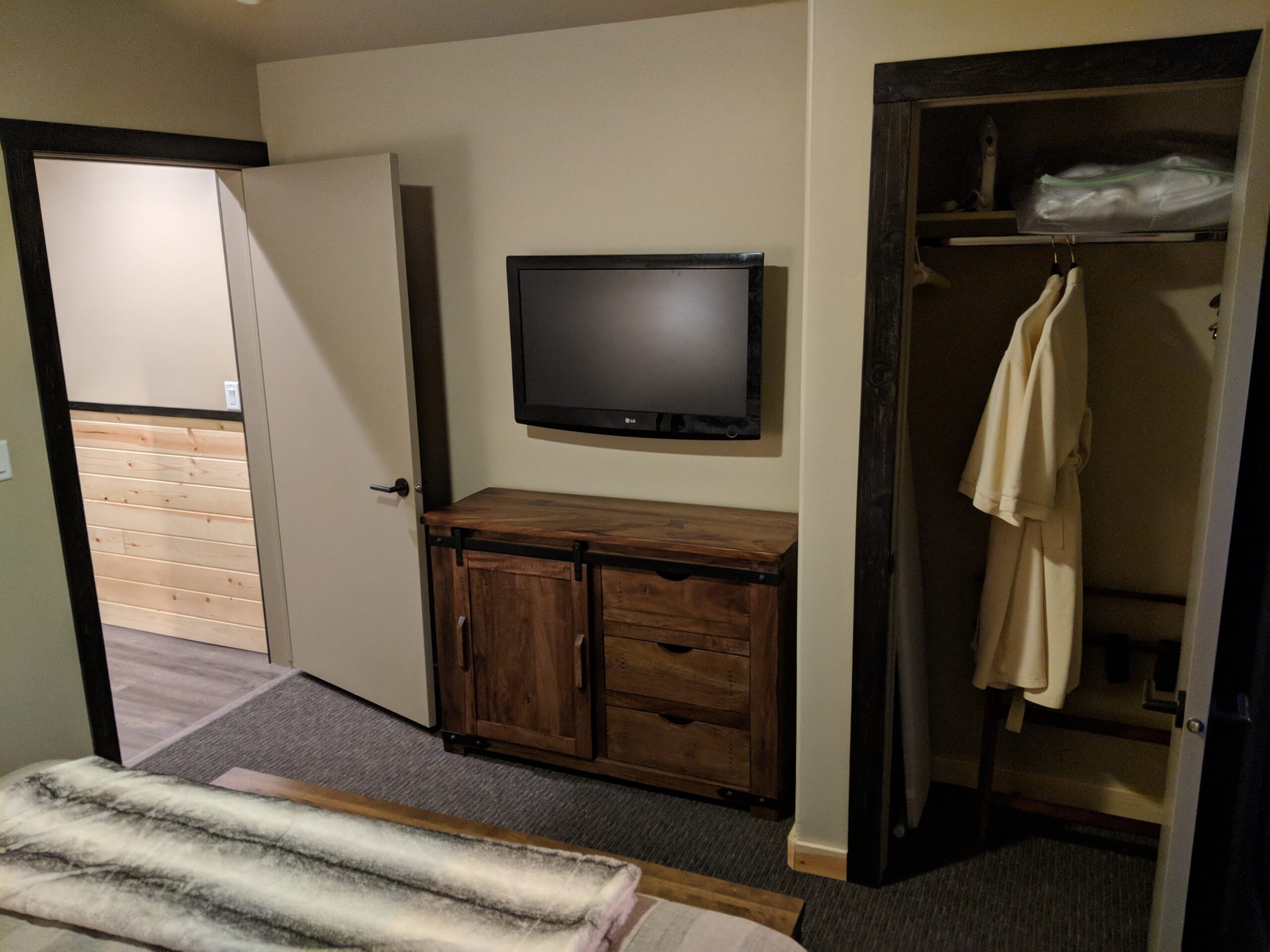

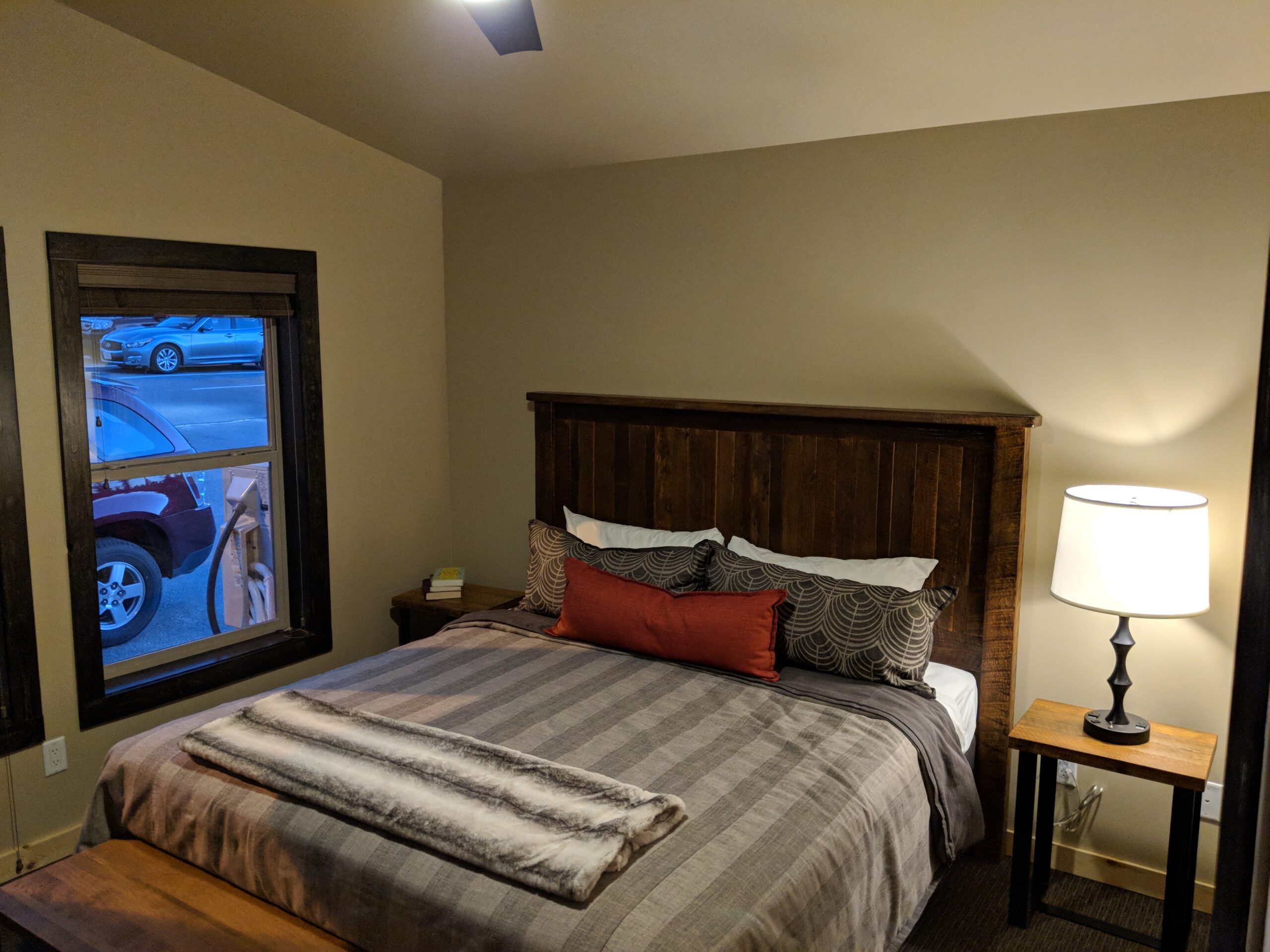
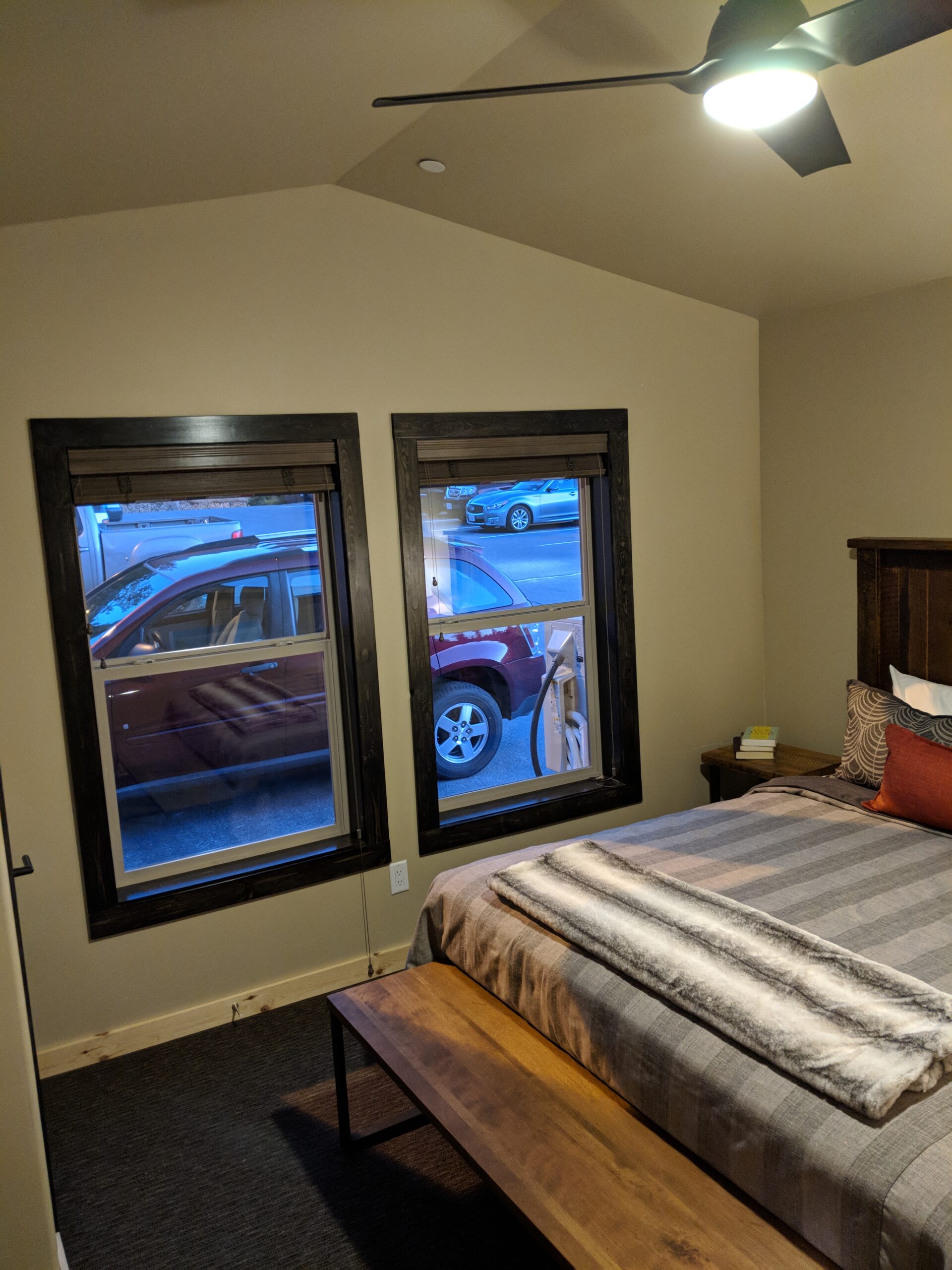
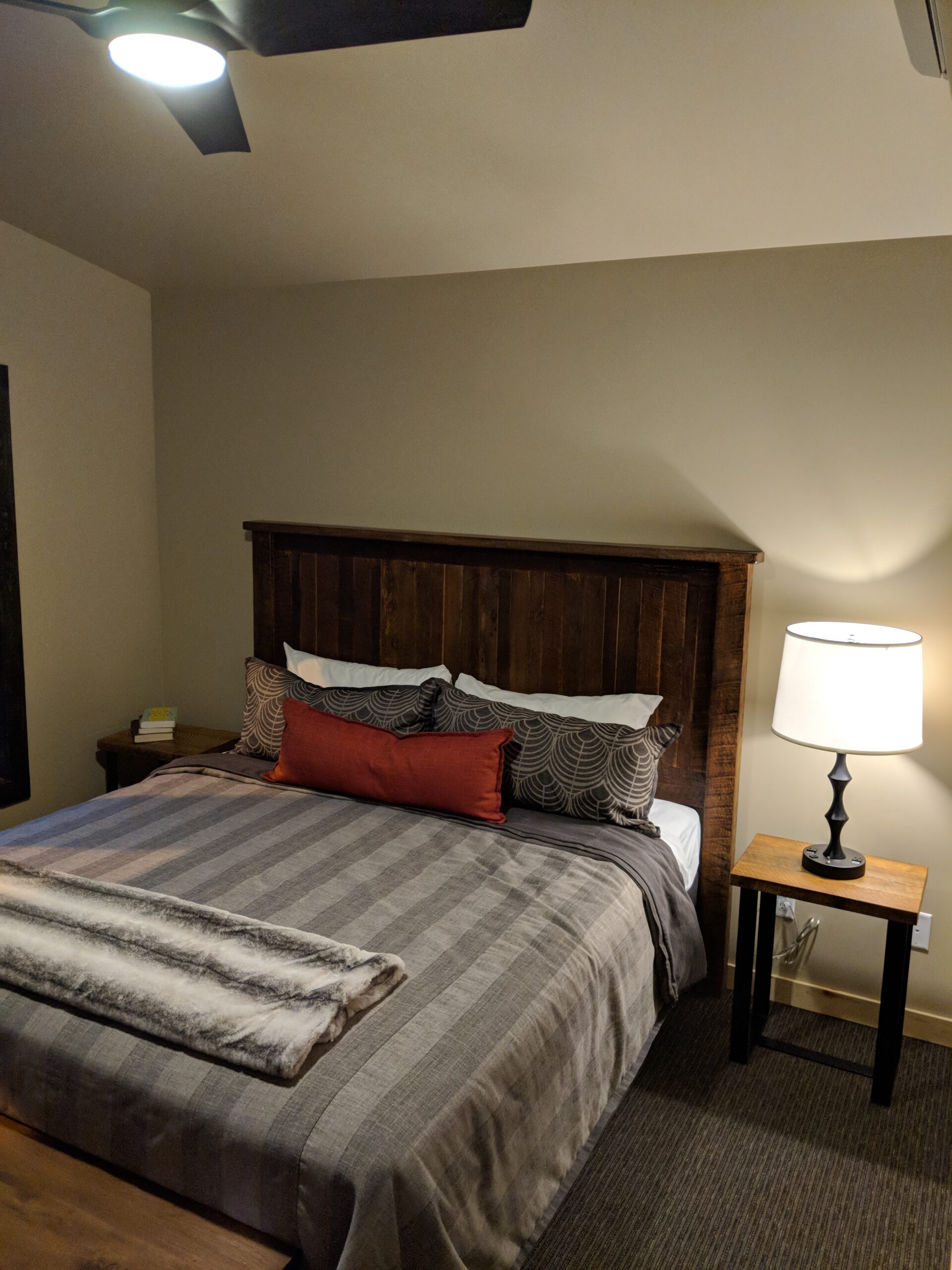
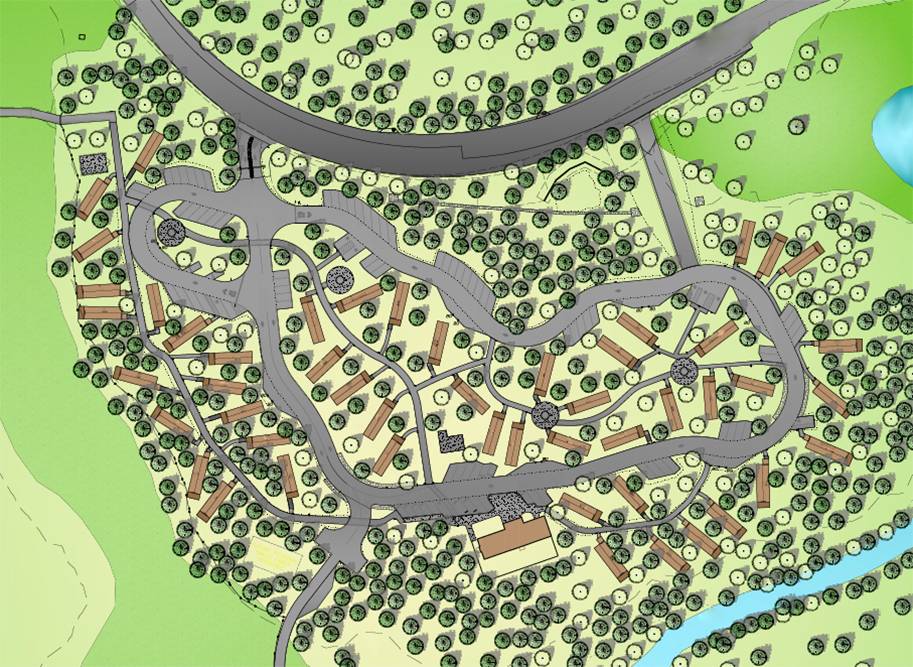
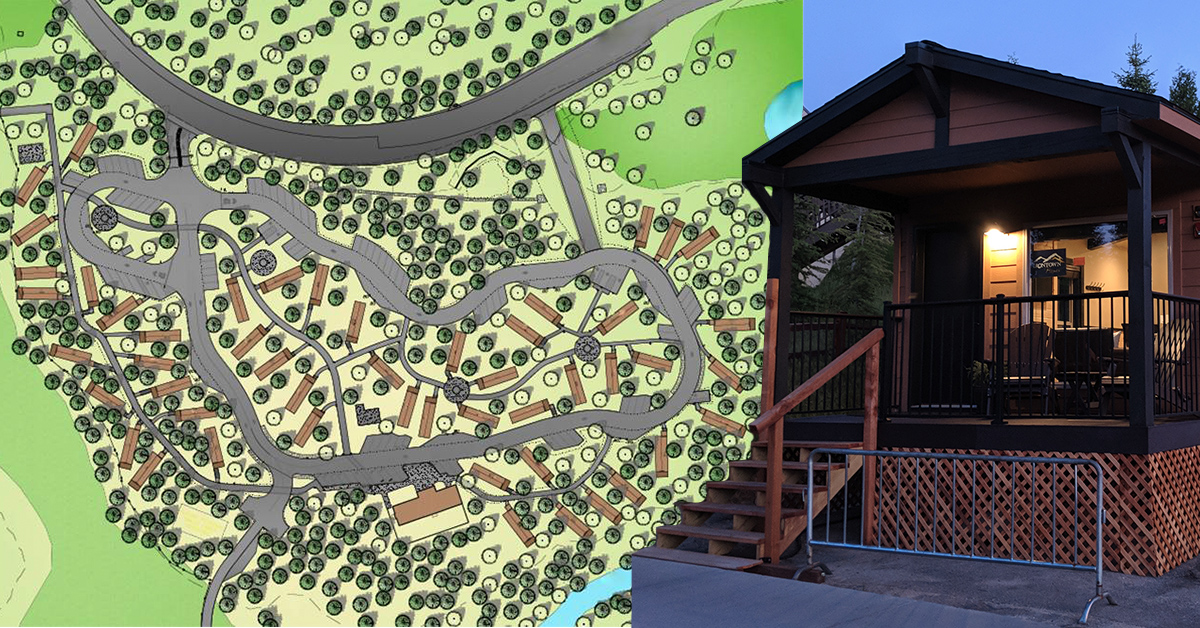
50 Cabins | Hospitality Lodging | Remote Site | Modular Build ~9 Months | Set Time ~2 Weeks | $700–$800/Night Revenue
About the Tenaya Cabins
Tenaya Cabins was developed as an alternative to a traditional steel-and-concrete hotel expansion in a remote, high-cost market near Yosemite. The operator faced long construction timelines, high labor costs, and limited seasonal access, all while needing to protect a critical summer opening window. A delayed opening would have resulted in lost revenue and contractual penalties, making schedule certainty a primary business driver.
Approach
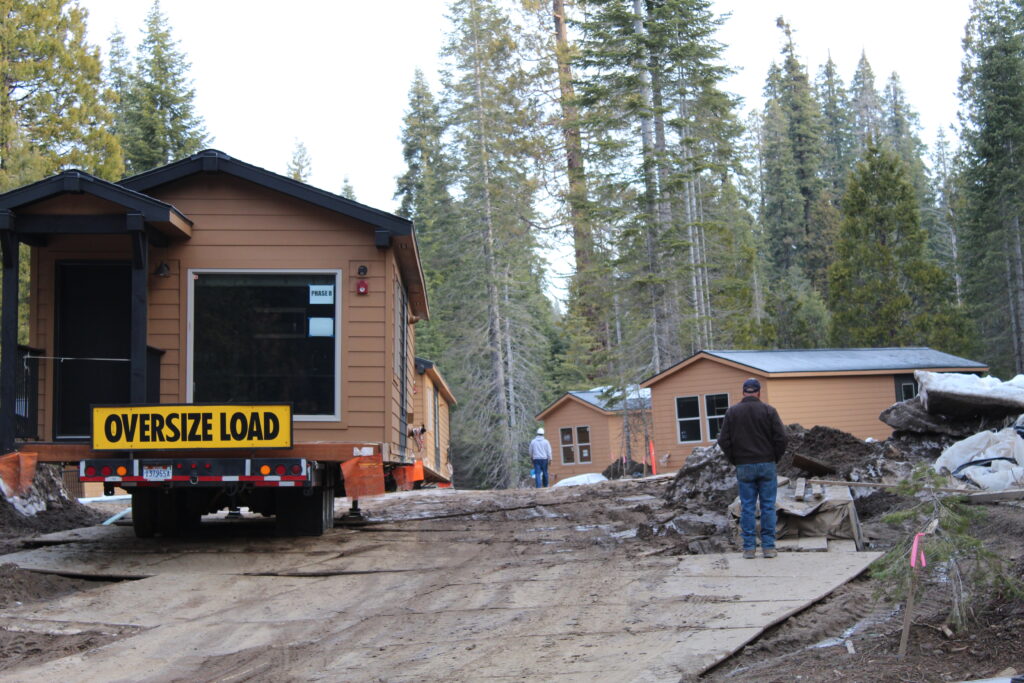
Instead of a multi-year hotel build, the project shifted to a modular “cabin in the woods” hospitality model. Irontown supported factory-built cabin production in two phases while site work progressed in parallel. Vertical construction risk was removed from the job site, minimizing exposure to weather, labor shortages, and trade coordination challenges. Cabins were rapidly set during short seasonal windows, allowing interior and site completion to continue efficiently toward opening.
Key Outcomes:
- Accelerated opening avoided seasonal delays and a $1M missed-opening penalty.
- Higher revenue per door outperformed traditional hotel expansion economics.
- Factory-built cabins removed vertical construction risk from a remote site.
- Rapid set minimized trade conflicts and on-site coordination complexity.
- Repeatable cabin product supported scalable hospitality growth.
Main Problem solved
Problem
A traditional hospitality expansion carried high schedule risk, unpredictable costs, and exposure to seasonal shutdowns in a remote market.
Constraints
- Remote location with high labor and mobilization costs
- Limited seasonal construction windows
- Weather-driven shutdown risk
- Revenue and penalty exposure tied to opening date
What Modular Changed
- Shifted vertical construction into a controlled factory environment
- Enabled parallel site work and building fabrication
- Reduced on-site set time to approximately two weeks
- Delivered a repeatable hospitality product with lower cost variability
How We Delivered It
Irontown supported feasibility planning and early budgeting to compare modular cabins against traditional hotel construction. Cabin designs were finalized for repeatability and factory efficiency. Manufacturing proceeded in parallel with land development and infrastructure work. Cabins were delivered and set in coordinated phases to align with seasonal access and weather conditions. Final site work, landscaping, and interior closeout continued through opening.
Proof Notes
- Modular build completed in two controlled phases
- Minimal site congestion during set operations
- Vertical construction risk removed from jobsite